

How to Evaluate Artemia Egg Quality: Hatch Rates, Efficiency, and Output
, by David Lo, 8 min reading time
, by David Lo, 8 min reading time
Not all Artemia cysts (brine shrimp eggs) hatch with the same success. Hatch percentage, hatching efficiency, and hatching output are the main scientific metrics used to evaluate egg quality. Understanding these measurements helps aquarists, breeders, and aquaculture hatcheries select high-quality Artemia cysts and maximize nauplii production.
Artemia cysts, commonly known as brine shrimp eggs, are widely used in aquaculture and aquarium breeding because they hatch into highly nutritious larvae called nauplii.
However, not all Artemia eggs are equal in quality. The productivity of a batch of cysts can vary depending on:
harvesting location
environmental conditions
processing techniques
storage conditions
For this reason, scientists and aquaculture hatcheries use standardized measurements to evaluate Artemia egg quality.
The three most important metrics are:
Hatch percentage (H%)
Hatching efficiency (HE)
Hatching output (HO)
Understanding these measurements allows breeders to predict how many nauplii a batch of cysts will produce.
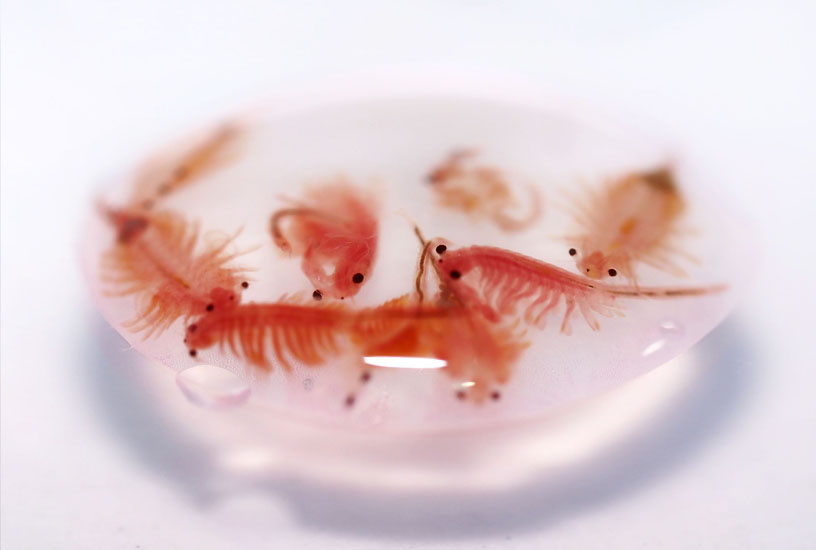
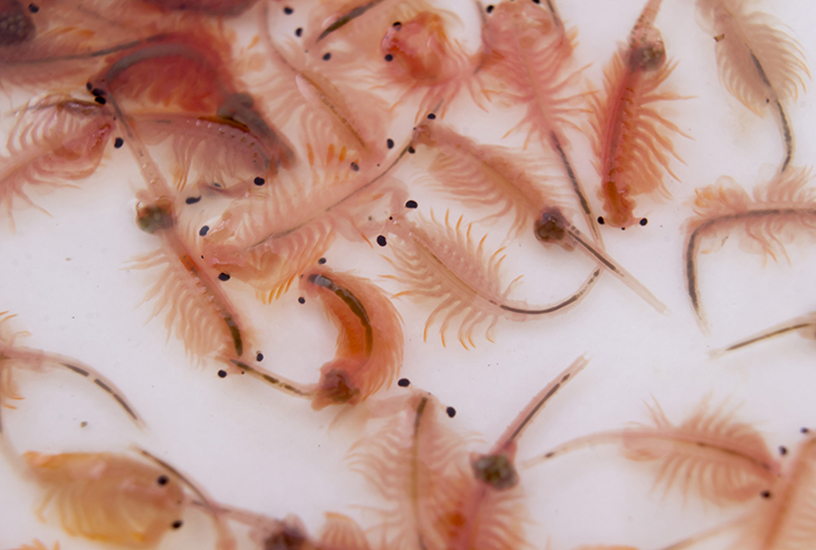
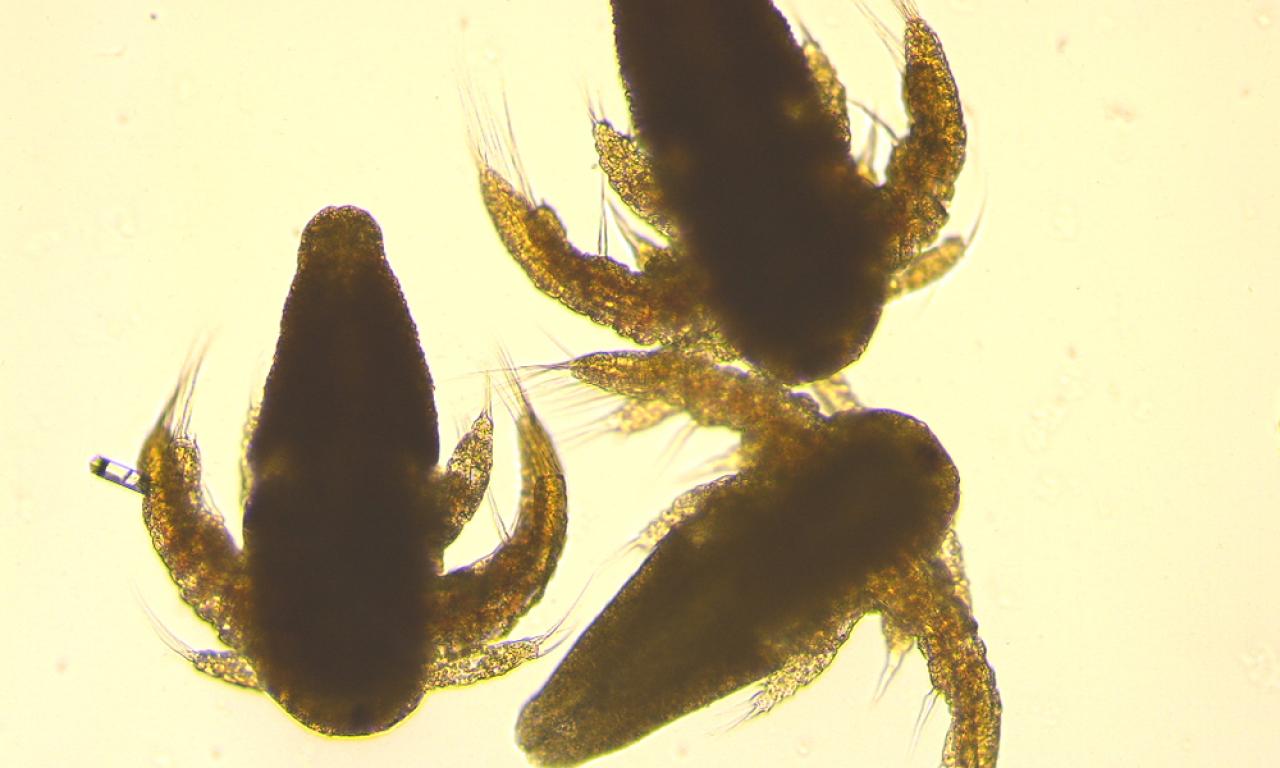
Hatch percentage measures the proportion of Artemia cysts that successfully hatch under standard incubation conditions.
It is calculated as:
For example:
100 cysts incubated
75 nauplii hatched
Hatch percentage = 75%
High-quality commercial Artemia cysts typically show hatch percentages between:
70% – 90%
However, hatch percentage alone does not fully represent cyst quality because commercial cyst products may contain impurities such as:
broken shells
sand particles
salt residues
Because of this, additional metrics are used to evaluate productivity.


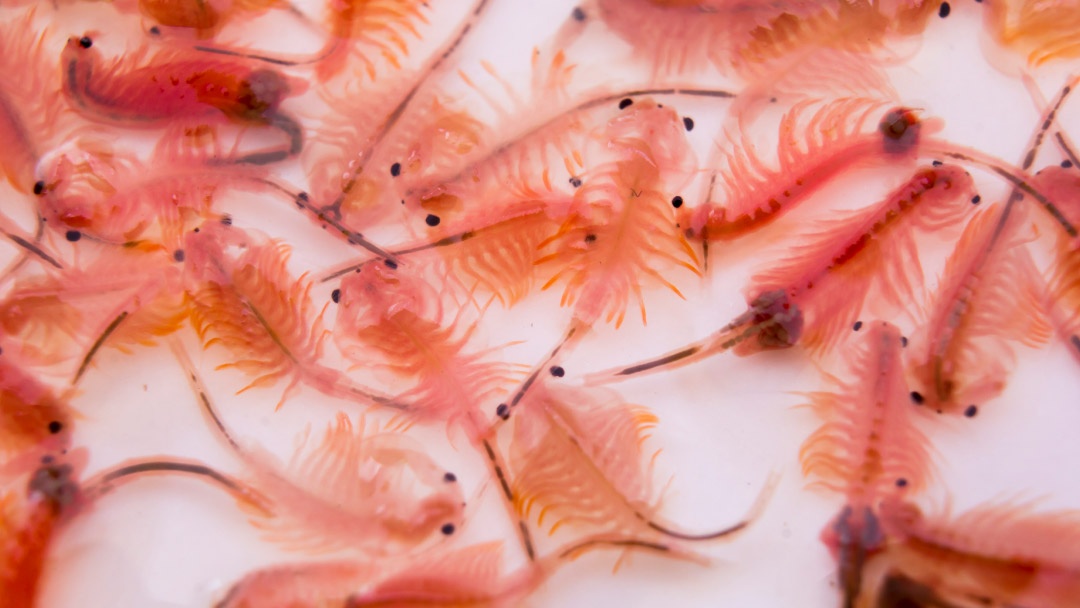
Hatching efficiency (HE) measures the number of nauplii produced from one gram of dry Artemia cysts.
This metric is much more useful in commercial aquaculture because it reflects the actual productivity of a cyst batch.
Typical values for high-quality cysts range from:
200,000 – 300,000 nauplii per gram
Hatching efficiency depends on several factors:
cyst purity
embryo viability
incubation conditions
genetic strain of Artemia
Aquaculture hatcheries often compare suppliers based on hatching efficiency rather than hatch percentage.

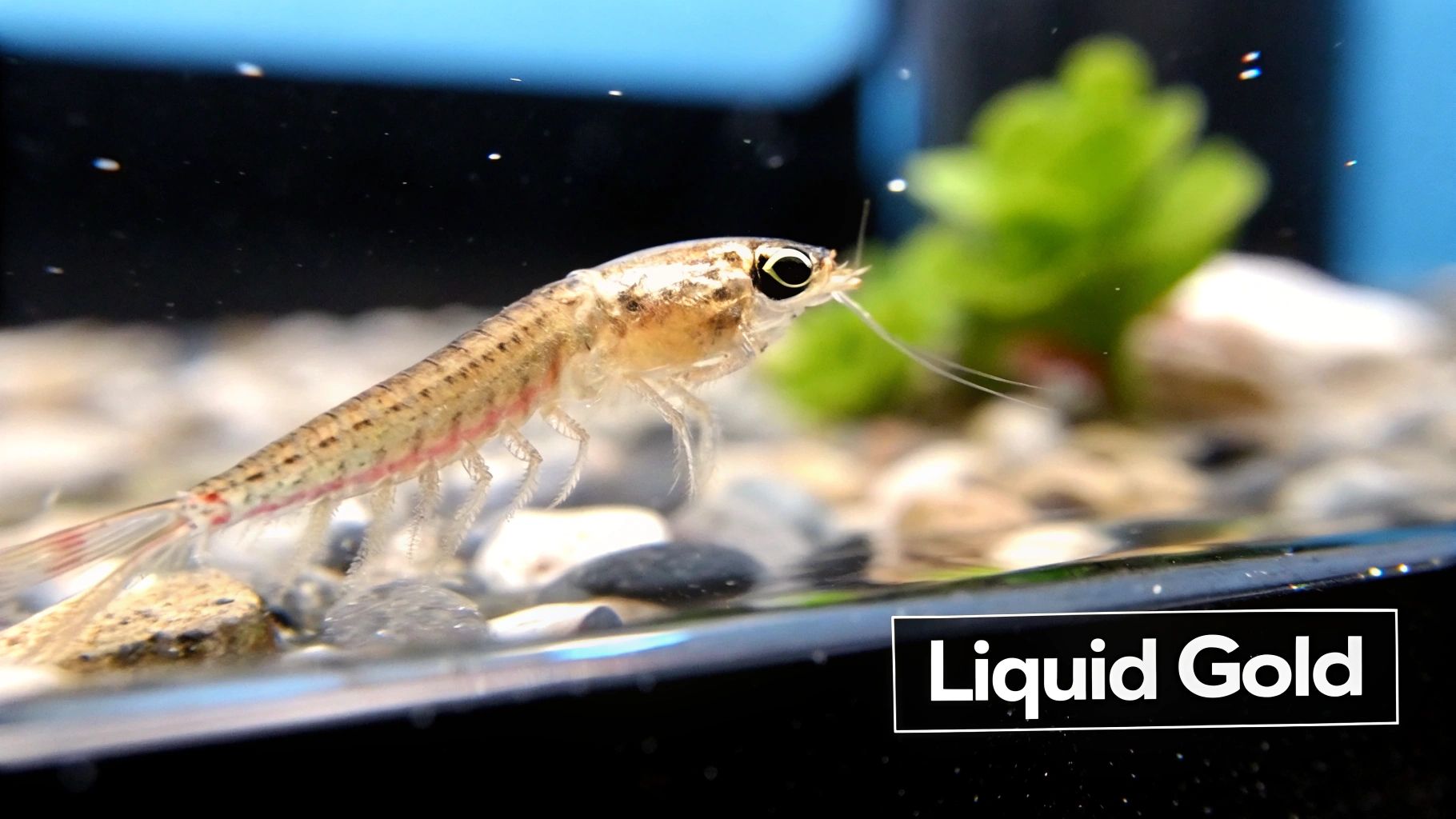
Hatching output (HO) measures the dry biomass of nauplii produced per gram of cysts.
Unlike hatching efficiency, which counts the number of larvae, hatching output measures the total mass of nauplii produced.
This metric is important because larger nauplii contain more energy and nutrients for fish larvae.
Hatching output depends on:
nauplii size
yolk reserves
genetic strain
incubation conditions
In aquaculture hatcheries, this measurement helps determine the overall feeding value of a cyst batch.
Another important factor in evaluating Artemia egg quality is hatching synchrony, which describes how quickly and uniformly cysts hatch.
Scientists measure this using time intervals:
T0 – time until the first nauplius appears
T10 – time until 10% of nauplii hatch
T90 – time until 90% of nauplii hatch
The difference between T10 and T90 indicates how synchronized the hatch is.
High-quality cysts hatch within a narrow time window, which allows hatcheries to harvest nauplii more efficiently.
Several environmental and processing factors influence cyst quality.
Different Artemia populations produce cysts with different hatching characteristics.
Major production areas include:
Great Salt Lake (USA)
San Francisco Bay (USA)
South American salt lakes
Asian hypersaline lakes
Cleaning, drying, and packaging methods affect embryo survival.
Artemia cysts must be stored in:
cool environments
low humidity
airtight containers
Improper storage reduces hatch percentage over time.
For aquarists and aquaculture hatcheries, cyst quality directly affects live food production.
Higher quality cysts provide:
higher hatch success
more nauplii per gram
healthier larvae
improved fish survival
Because Artemia nauplii are often the first food given to fish larvae, consistent hatch quality is critical for successful breeding programs.
Evaluating Artemia egg quality requires more than simply measuring hatch percentage. Metrics such as hatching efficiency and hatching output provide a clearer picture of cyst productivity and nutritional value.
By understanding these measurements, aquarists and hatcheries can select high-quality Artemia cysts and optimize nauplii production for fish breeding and aquaculture.
Sorgeloos, P., Lavens, P., Léger, P., Tackaert, W., & Versichele, D. (1986).
Manual for the Culture and Use of Brine Shrimp Artemia in Aquaculture.
Persoone, G., Sorgeloos, P., Roels, O., & Jaspers, E. (1980).
The Brine Shrimp Artemia: Ecology, Culturing, Use in Aquaculture.
Lavens, P., & Sorgeloos, P. (1996).
Manual on the Production and Use of Live Food for Aquaculture.
Vanhaecke, P., & Sorgeloos, P. (1982).
International Study on Artemia Cyst Quality.
Clegg, J. S. (2001).
Cryptobiosis and survival mechanisms of Artemia embryos.