

Environmental Factors That Control Artemia Hatching
, by David Lo, 7 min reading time
, by David Lo, 7 min reading time
Artemia cysts hatch successfully only when several environmental conditions are correctly balanced. Temperature, salinity, oxygen availability, light, and pH all play important roles in activating dormant embryos and determining hatch rates. In this guide we explore the key environmental factors that control Artemia hatching and explain how each parameter affects the development of brine shrimp embryos. Understanding these conditions helps aquarists and aquaculture breeders maximize hatch efficiency and produce healthy Artemia nauplii for feeding fish fry and shrimp larvae.
Artemia cysts, commonly known as brine shrimp eggs, are capable of remaining dormant for extended periods until environmental conditions become favorable for development. Once placed in suitable water conditions, the embryo inside the cyst resumes metabolic activity and begins the hatching process.
Successful hatching depends on several environmental parameters including temperature, salinity, oxygen availability, light intensity, and pH. Each of these factors influences the biological processes that allow the embryo to emerge as a free-swimming nauplius.
Understanding these environmental conditions is essential for aquarists and aquaculture hatcheries aiming to achieve consistent and efficient Artemia hatching.


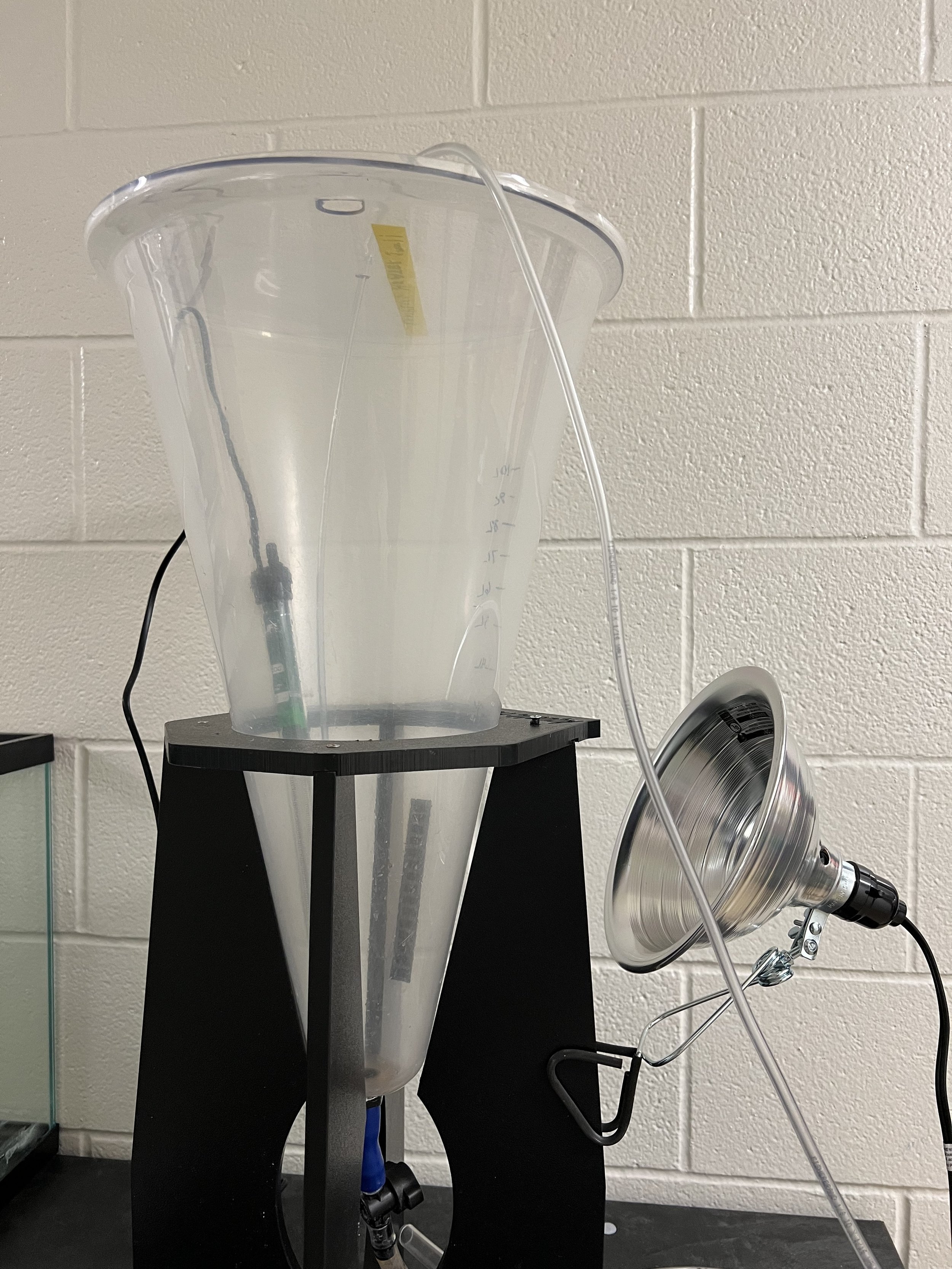
Temperature is one of the most important factors influencing Artemia hatch success.
Optimal temperatures typically range between:
25°C and 30°C
Within this range, embryonic development proceeds rapidly and hatch rates are generally high.
At lower temperatures:
metabolic activity slows
hatching time increases
overall hatch percentage may decline
Temperatures above 35°C may damage the embryo and significantly reduce hatch success.
For this reason, many hatcheries maintain controlled incubation temperatures using heaters or temperature-regulated rooms.


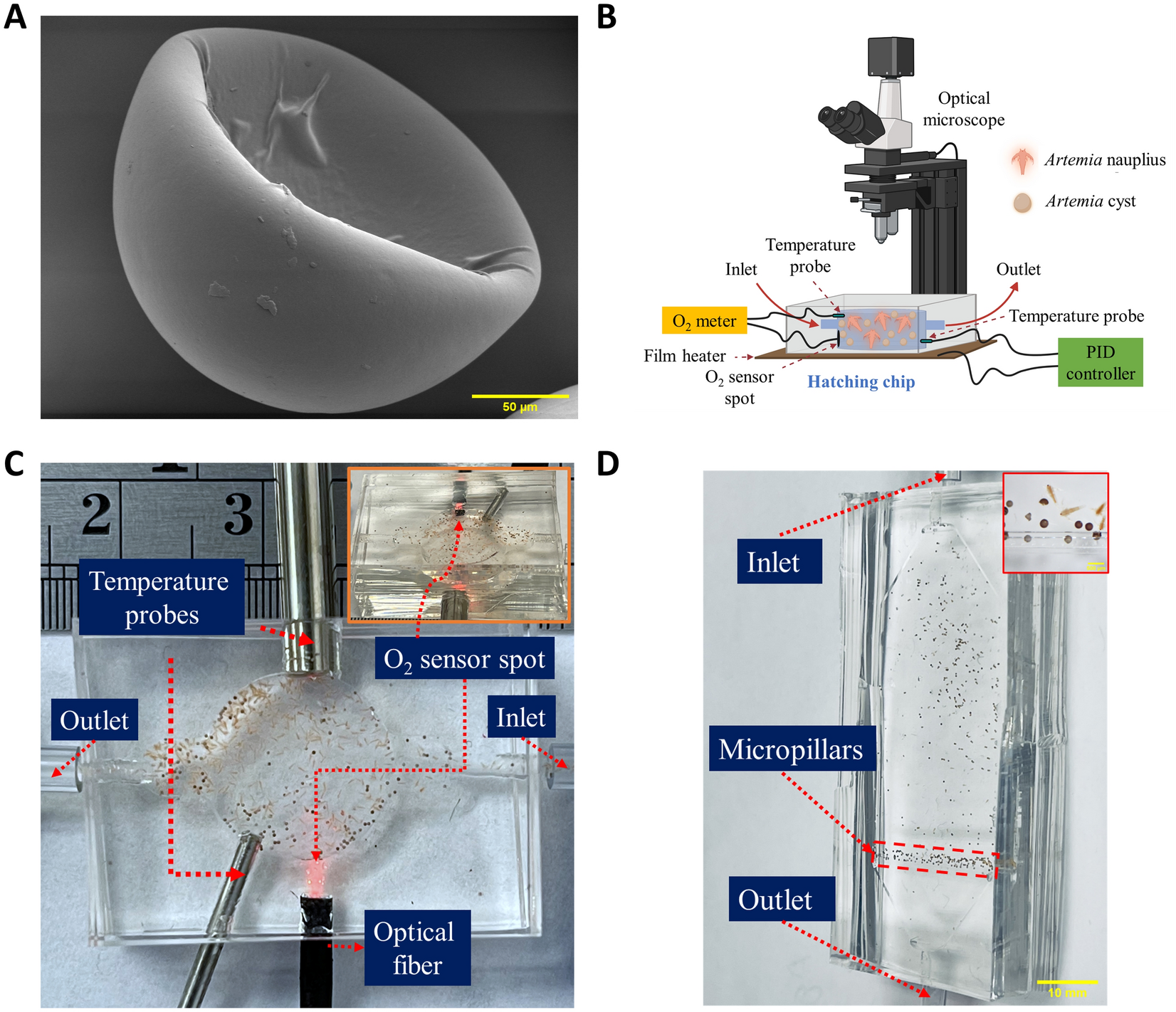
Salinity affects the osmotic processes that occur during the hydration and development of Artemia cysts.
Artemia can hatch across a wide range of salinities, but the most effective range for incubation is generally:
25–35 ppt (parts per thousand)
Lower salinity levels may still allow hatching but can reduce hatching efficiency.
Higher salinity levels increase osmotic pressure and may slow the hydration process required for embryo activation.
In commercial hatcheries, artificial seawater or filtered seawater is commonly used to maintain stable salinity conditions.
During the hydration stage, the embryo begins consuming oxygen as metabolic activity increases.
Adequate oxygen supply is therefore essential for successful hatching.
Hatcheries typically provide oxygen through:
strong aeration
bubbling air stones
water circulation
Aeration also keeps cysts suspended in the water column, preventing them from settling and improving uniform hatching conditions.
Insufficient oxygen can result in reduced hatch rates and weak nauplii.
Light is an important environmental stimulus that activates the metabolic processes responsible for hatching.
Many Artemia strains respond strongly to light during incubation.
Typical hatchery lighting conditions include:
1,000–2,000 lux
Adequate illumination helps synchronize hatching and improves the uniformity of nauplii emergence.
Low light conditions may delay hatching or reduce hatch percentages.
Water chemistry also influences Artemia hatch success.
The optimal pH range for Artemia incubation is generally:
pH 8.0 – 9.0
Within this range, enzymatic processes involved in shell rupture and embryonic development function efficiently.
If the pH drops too low, enzyme activity may be inhibited and hatching may be delayed.
Many hatcheries add small amounts of sodium bicarbonate to maintain stable pH levels during incubation.
Several additional environmental factors can also influence hatch success.
These include:
Not all Artemia cysts hatch equally well. Hatch percentage depends heavily on the quality and origin of the cysts.
Overcrowding cysts in the incubation container can reduce oxygen availability and decrease hatch rates.
Gentle aeration helps distribute cysts evenly and prevents accumulation at the bottom of the container.
To maximize hatch success, aquarists and hatcheries generally aim to maintain the following conditions:
Temperature
25–30°C
Salinity
25–35 ppt
pH
8.0–9.0
Light
1,000–2,000 lux
Strong aeration
to maintain oxygen levels and keep cysts suspended.
When these parameters are maintained consistently, Artemia cysts typically hatch within 18–24 hours.
For aquaculture operations and aquarium breeders, reliable Artemia production is essential.
Healthy nauplii provide:
essential nutrients for fish fry
easily digestible protein
improved larval survival rates
By controlling environmental conditions during incubation, hatcheries can achieve higher hatch efficiency and produce stronger, more active nauplii.
The successful hatching of Artemia cysts depends on a combination of environmental factors including temperature, salinity, oxygen availability, light, and pH.
These parameters influence the metabolic processes that allow the dormant embryo to resume development and emerge as a nauplius.
Understanding and controlling these environmental conditions allows aquarists and aquaculture professionals to maximize hatch success and produce consistent supplies of high-quality live food for fish and crustacean larvae.
Clegg, J.S., & Conte, F.P. (1980). Artemia cyst biology and embryonic development.
Persoone, G., Sorgeloos, P., Roels, O., & Jaspers, E. (1980). The Brine Shrimp Artemia: Ecology, Culturing, Use in Aquaculture.
Sorgeloos, P., Lavens, P., Léger, P., Tackaert, W., & Versichele, D. (1986). Manual for the culture and use of brine shrimp Artemia in aquaculture.
Vanhaecke, P., & Sorgeloos, P. (1982). International study on Artemia cyst hatching characteristics.